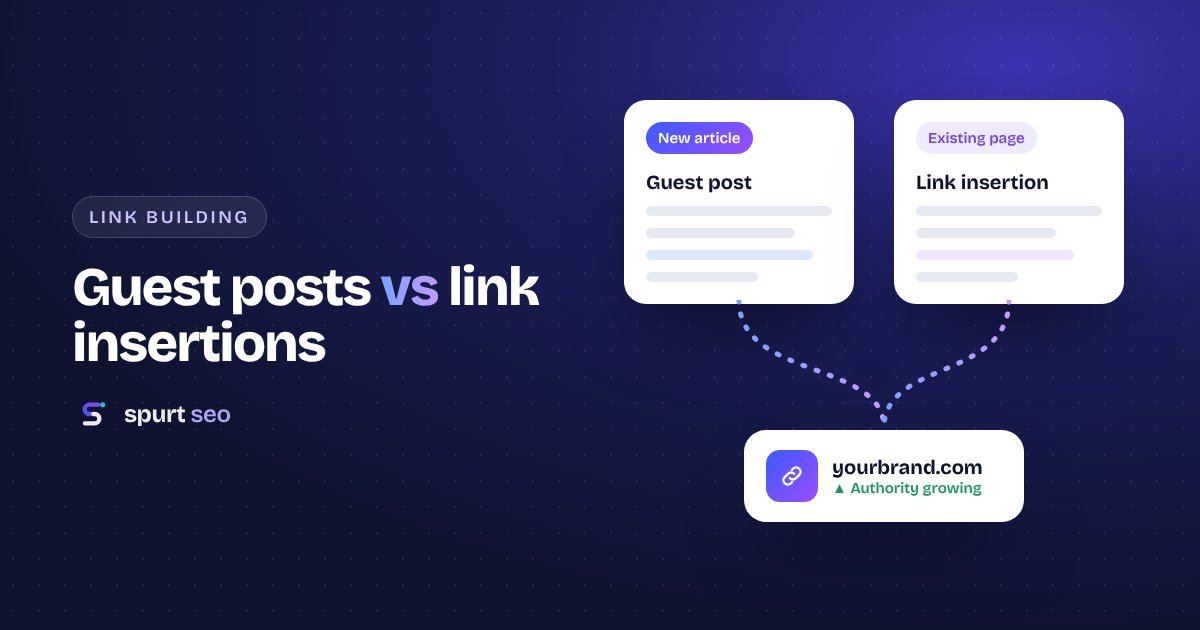
If you’ve looked at link building for more than five minutes, you’ve seen two options on every price list: guest posts and link insertions. Both put a link to your site on someone else’s website. Both can move rankings. But they work in different ways, and choosing the wrong one for the job wastes budget.
This guide breaks down how each one works, where each one shines, and how to decide which to use for a given page.
What is a guest post?
A guest post is a brand-new article, written for a publication’s readers and published on their site, with a link back to your page inside the content. Because the article is new, you (or your agency) control the topic, the angle and where the link sits.
- Fresh content built around a topic that supports your page.
- Full control over anchor text and the paragraph around your link.
- Brand exposure to a new audience, not just a link.
What is a link insertion?
A link insertion (sometimes called a niche edit) adds your link to an existing article that’s already published and indexed. The page already has age, often some rankings, and sometimes its own backlinks.
- Faster to go live, since nothing new has to be written.
- Inherited strength from a page Google already knows and trusts.
- Lower cost per link in most cases.
Guest posts vs link insertions at a glance
| Guest post | Link insertion | |
|---|---|---|
| Content | New article written for you | Existing, already-indexed article |
| Speed | Usually 2–3 weeks | Often days to 2 weeks |
| Control over context | High | Limited to what the article covers |
| Page age and history | Starts at zero | Already established |
| Typical cost | Higher | Lower |
| Best for | Topical authority and brand visibility | Quick authority boosts to key pages |
When to choose guest posts
Pick guest posts when context matters most. If you’re building authority around a topic, launching a new service, or need a link that sits inside a specific argument, a new article gives you that control. Guest posts are also the better choice when the brand mention itself has value, for example on a respected industry blog your customers actually read.
When to choose link insertions
Pick insertions when you need strength quickly and a relevant article already exists. If a page on a trusted site already talks about your topic and ranks for related searches, adding your link there can pass value faster than a new post that has to earn its own place in the index.
The key word is relevant. An insertion only works when your link genuinely adds something to that article. A link dropped into an unrelated page is easy for search engines to discount, and easy for readers to ignore.
How each one affects rankings
Search engines judge a link by the page it sits on and the words around it. That’s where the two formats really differ.
A guest post starts life as a new URL. It has no history, no rankings and no backlinks of its own, so part of its value builds over the following weeks as the page is crawled, indexed and linked internally by the publisher. In return, every word around your link is written to support your topic, which sends a strong, clear relevance signal.
A link insertion sits on a page that already has history. If that article ranks, earns traffic and has its own backlinks, your link benefits from that strength straight away. The trade-off is context: the article was written for its own purpose, so your link has to fit what’s already there.
Neither is “better” in general. One trades speed for control; the other trades control for speed.
Common mistakes to avoid
- Buying on DA or DR alone. A high score on a site with no real readers rarely moves rankings.
- Inserting links into unrelated articles. A link about accounting software inside a recipe post helps no one.
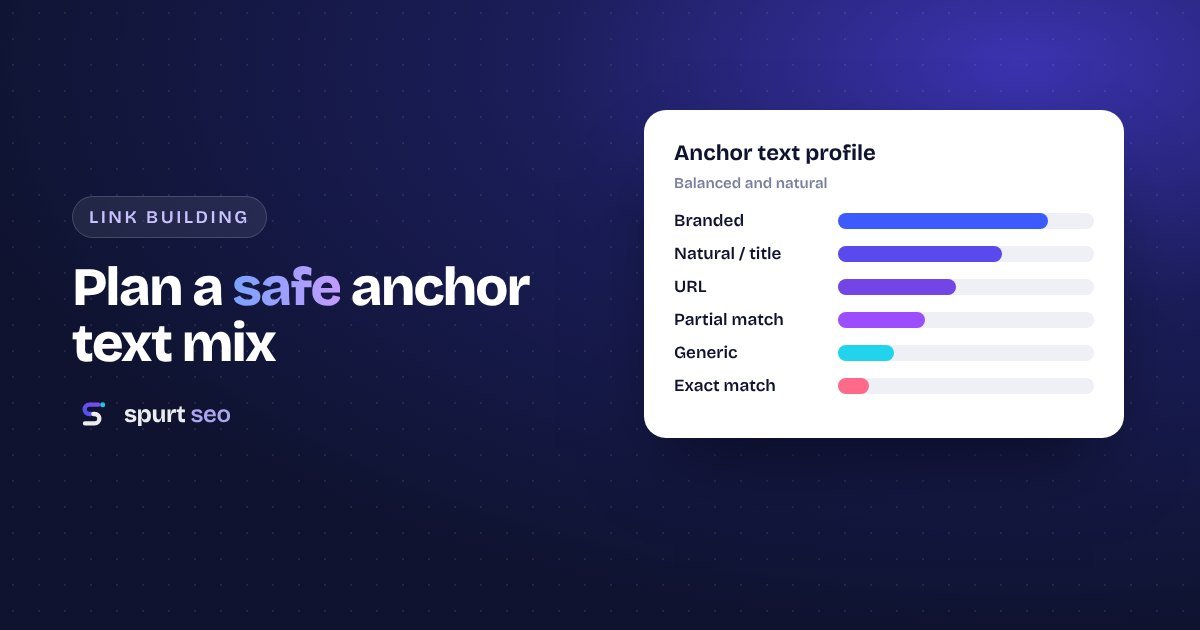
- Using the same anchor everywhere. Vary your anchors so the profile looks natural. Our guide to a safe anchor text mix explains how.
- Accepting temporary or nofollow links by accident. Confirm in writing that links are permanent and dofollow.
- Skipping the delivery check. Make sure every link is live, indexed and placed where you agreed.
The smart answer: use both
Most strong campaigns mix the two. A practical pattern looks like this:
- Guest posts build topical depth around your main service pages.
- Link insertions add authority from aged, ranking articles to the pages closest to page one.
- Internal links pass that authority from your strongest pages to the ones that need it.
If you’re not sure which pages deserve links first, start with our guide on which pages to build links to first.
What to check before you buy either one
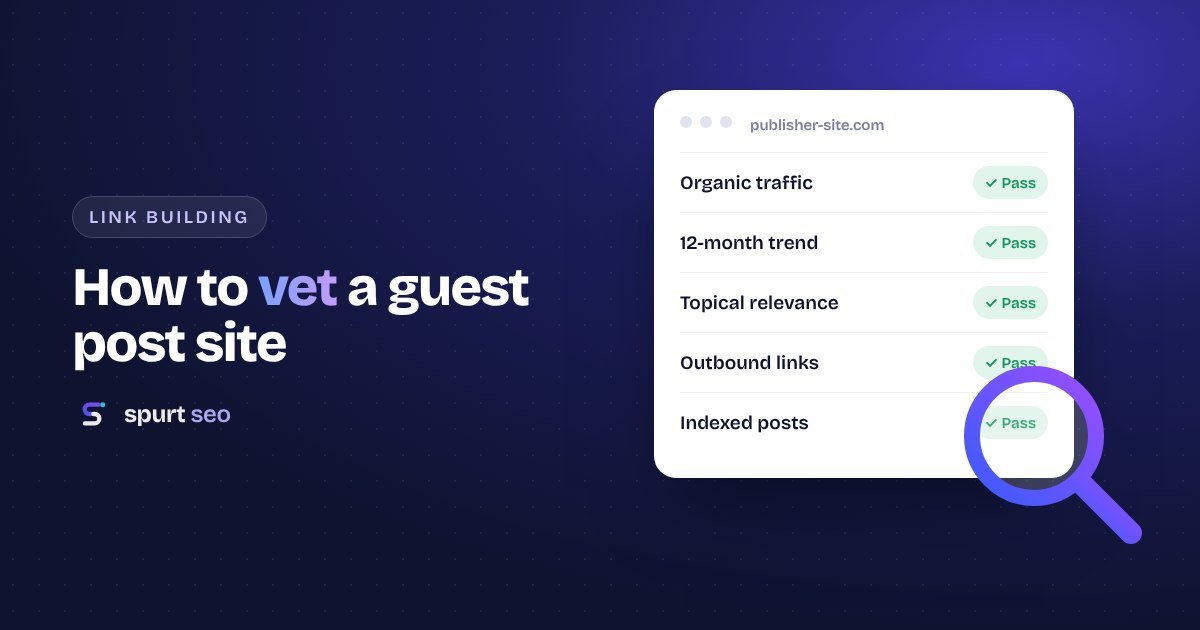
Whatever the format, the website behind the link matters more than the label. Before you pay, check that the site has real organic traffic, a steady trend, a reasonable number of outbound links and a clear topical match with your page. We walk through every check in how to vet a guest post site before you pay for it.
Key takeaways
- Guest posts give you control and fresh, topical content.
- Link insertions give you speed and the strength of an established page.
- Relevance decides whether either one actually helps.
- The best results usually come from a planned mix of both.
Frequently asked questions
Are link insertions safe for SEO?
Yes, when the link is relevant to the article, placed naturally in the text and added to a real, indexed page with genuine traffic. Problems start when insertions are added to unrelated or thin pages just to pass link value.
Which is cheaper, a guest post or a link insertion?
Link insertions usually cost less because no new article has to be written or published. Guest posts cost more but give you more control over the topic, anchor and surrounding content.
Can I use guest posts and link insertions together?
Yes, and most strong campaigns do. Guest posts build fresh, topical content around your brand, while insertions add links from pages that already have age, rankings and traffic.

Connect on LinkedIn →
Want links like these working for you?
Guest posting packages from $100 for 5 posts. Every site approved by you.