
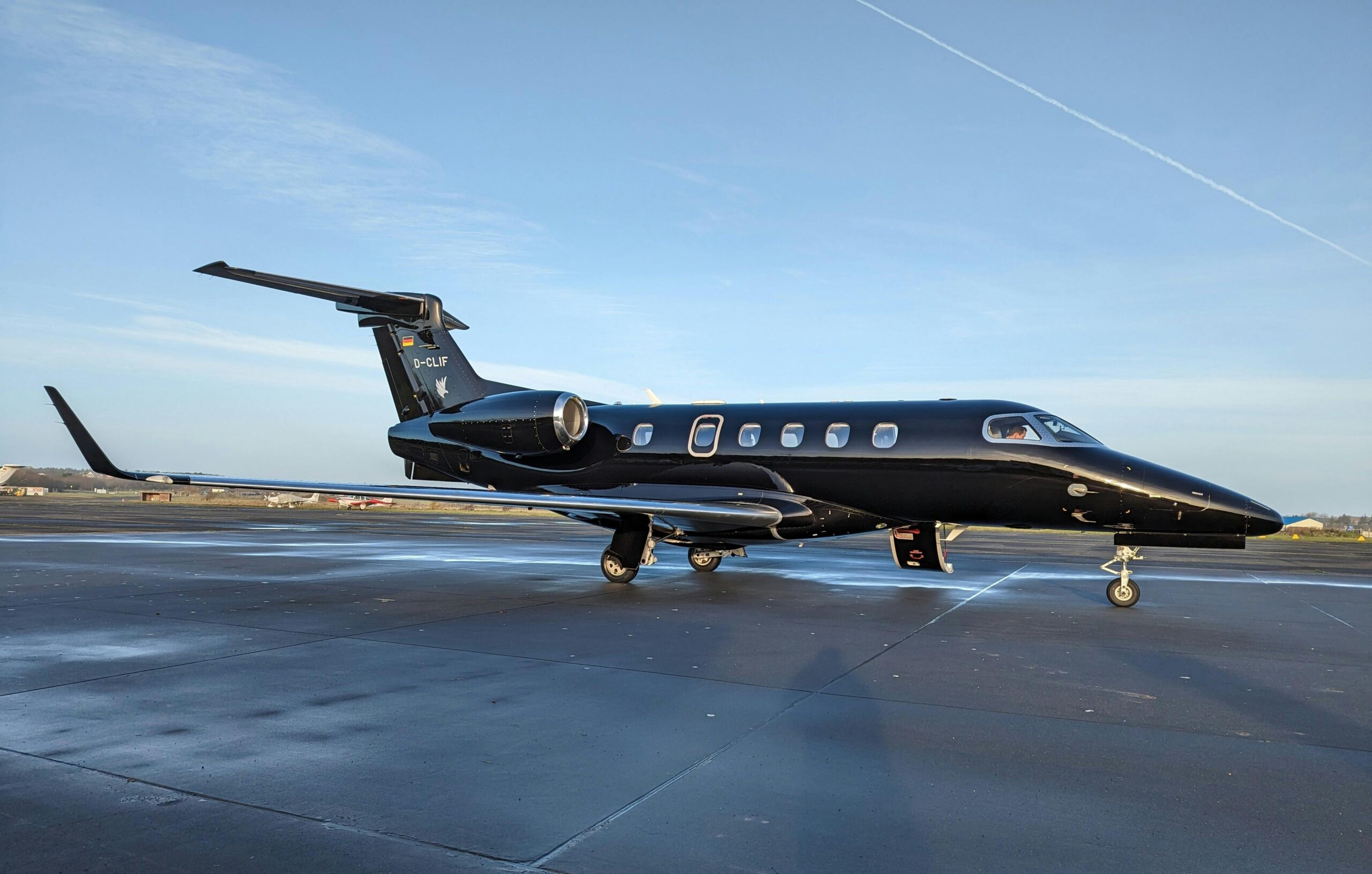
In today’s fast-paced business environment, time has become one of the most valuable commodities for executives and entrepreneurs. While commercial aviation has connected the world in remarkable ways, the constraints and inefficiencies of traditional air travel can take a serious toll on productivity and business operations. Private aviation has emerged as a strategic solution for companies and business leaders who understand that every minute matters. Beyond its reputation for luxury, flying private delivers tangible business advantages that directly impact a company’s bottom line, operational efficiency, and competitive edge.
Maximizing Executive Productivity and Time Management
The most compelling advantage of private aviation? It dramatically increases productive working hours for business executives. Think about what commercial flights actually require: arriving at airports hours before departure, navigating lengthy security lines, and dealing with unexpected delays that can throw entire business schedules into chaos. Private aviation cuts through this time, consuming obstacles entirely, allowing executives to arrive at private terminals just minutes before takeoff. This time savings translates directly into additional productive hours, time that can be spent on critical business activities, client meetings, or strategic planning sessions.
What’s more, the private cabin environment creates an ideal setting for conducting confidential business discussions without interruption. Executives can review sensitive documents, hold virtual meetings, and work freely without the privacy concerns that come with commercial flights. There’s no need to worry about who’s sitting in the next seat or whether that laptop screen is visible to curious eyes. Business leaders essentially transform travel time into productive work sessions, effectively extending their workday while in transit.
Flexible Scheduling and Route Optimization
Private aviation offers scheduling flexibility that commercial airlines simply can’t match, allowing businesses to operate on their own timeline rather than bending to rigid airline schedules. Companies can arrange flights on short notice, modify departure times to accommodate last-minute changes, and adjust itineraries in real-time as priorities shift. This scheduling autonomy becomes particularly valuable when dealing with time-sensitive negotiations, emergency situations, or opportunities that require immediate action. When a critical deal needs attention, you can’t afford to wait for the next available commercial flight.
Here’s another game-changer: private aircraft can access thousands of smaller airports that commercial carriers don’t serve. This means direct routes to destinations that would otherwise require multiple connections and significant travel time. Landing closer to final destinations reduces ground transportation needs and allows executives to maximize their time at each business location. Multi-city trips become vastly more efficient, private aviation can facilitate several meetings across different locations in a single day, something that would be nearly impossible with commercial flight schedules.
Enhanced Privacy and Confidentiality
For businesses handling sensitive information, mergers and acquisitions, or confidential strategic planning, privacy isn’t a luxury, it’s a fundamental necessity. When conducting high-stakes negotiations or traveling with key team members to critical meetings, professionals who need to maintain complete discretion often rely on jet charter for your business to ensure secure and confidential travel arrangements. The controlled environment guarantees that all passengers are known entities, eliminating concerns about competitors, journalists, or curious passengers overhearing confidential conversations.
This level of privacy extends far beyond just conversations. Executives can work on sensitive documents, conduct video conferences, and access secure networks without worrying about shoulder surfing or data breaches that commonly occur in public spaces. For companies in highly competitive industries or those dealing with significant market, moving information, the ability to maintain complete confidentiality during travel is invaluable. The discreet nature of private aviation also allows high-profile executives to travel without drawing public attention, which can be crucial for maintaining security and avoiding unwanted media scrutiny during sensitive business periods.
Improved Business Relationships and Client Service
Private aviation serves as a powerful tool for building and maintaining valuable business relationships, offering unique opportunities to strengthen connections with key clients, partners, and stakeholders. Inviting important clients or potential partners to travel on a private aircraft demonstrates a level of commitment and attention that genuinely sets companies apart from competitors. It sends a clear message: your time and comfort matter to us.
The intimate setting of a private flight provides uninterrupted time for relationship building, allowing for meaningful conversations and rapport development that would be impossible in the fragmented environment of commercial travel. Companies can orchestrate seamless experiences for clients, from initial pickup to final destination, creating lasting impressions that reinforce their commitment to excellence. The ability to accommodate client schedules rather than forcing them to work around commercial flight availability demonstrates respect for their time and priorities. For site visits, factory tours, or multi-location business reviews, private aviation enables companies to efficiently transport groups of clients or stakeholders, ensuring everyone arrives together and on time.
Cost Efficiency and Return on Investment
While private aviation involves significant expenses, a comprehensive analysis often reveals substantial cost benefits when compared to the true cost of commercial travel for business purposes. The calculation needs to extend beyond mere ticket prices to include the value of executive time, productivity gains, and operational efficiencies achieved through private aviation. When you factor in senior executives’ hourly compensation and the strategic value of their time, the additional hours of productivity gained through private travel can absolutely justify the investment.
Companies can also realize savings by reducing the number of overnight stays required for business trips. The efficiency of private aviation often enables same, day travel for meetings that would otherwise require hotel accommodations, and those costs add up quickly. The ability to transport multiple executives on a single aircraft distributes costs across several travelers while maintaining team cohesion and enabling collaborative work during transit. For companies with regular travel needs to specific destinations, establishing consistent private aviation arrangements can provide predictable costs and better overall value than accumulating commercial airline expenses.
Conclusion
The business advantages of flying private extend far beyond comfort and status, they represent a strategic investment in operational efficiency, productivity, and competitive advantage. From maximizing executive time and enabling flexible scheduling to ensuring confidentiality and strengthening client relationships, private aviation delivers measurable benefits that can directly impact business success. While the decision to utilize private aviation requires careful financial analysis, forward, thinking companies increasingly recognize that the true measure of value lies not just in the cost of travel but in the opportunities created, time saved, and competitive edges gained. As businesses continue to operate in an increasingly global and time-sensitive environment, private aviation stands as a powerful tool for companies committed to maximizing efficiency, maintaining their competitive position, and empowering their leadership teams to perform at the highest levels.