
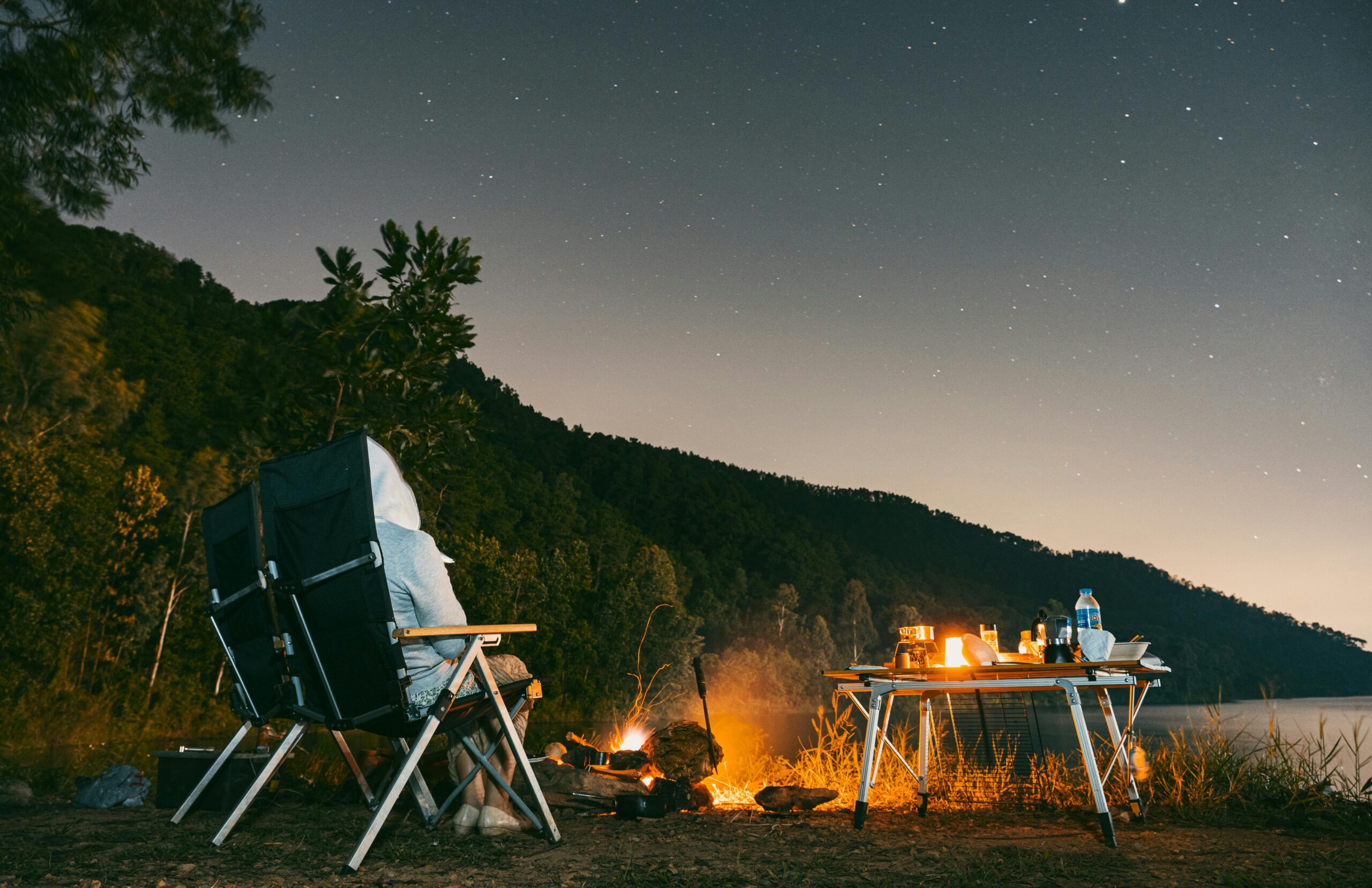
In today’s fast-paced digital world, families often find themselves trapped indoors, glued to screens and disconnected from nature, and from each other. But here’s something worth considering: the simple act of stepping outside can transform family dynamics in ways that extend far beyond just a pleasant afternoon. Research consistently shows that outdoor time strengthens family bonds, improves mental and physical health, and creates those lasting memories that end up defining childhood experiences. Whether you’ve got a sprawling backyard, access to local parks, or live near natural trails, making outdoor time a priority can revolutionize how your family interacts and grows together.
Strengthening Communication and Family Bonds
Outdoor environments naturally facilitate better communication between family members by removing those distractions that dominate indoor life. Think about it: without television, smartphones, and household chores competing for attention, parents and children can actually engage in meaningful conversations that rarely happen at home. The relaxed atmosphere of being outside lowers stress levels, making everyone more receptive to open dialogue and creating genuine opportunities for parents to understand their children’s thoughts, concerns, and dreams. Activities like hiking, playing catch, or simply walking together provide the perfect backdrop for conversations to flow naturally, without feeling forced or scheduled like some dreaded “family meeting.
Boosting Physical Health and Activity Levels
The physical health benefits of outdoor time are substantial and affect every family member, regardless of age. Children who spend more time outside are significantly more active, helping combat the childhood obesity epidemic that’s affecting millions of families across the country. What’s brilliant about natural settings is that they encourage movement in ways that feel like play rather than exercise, making physical activity enjoyable and sustainable for the long term. Parents benefit just as much from increased outdoor time, with regular nature exposure linked to lower blood pressure, reduced stress hormones, and improved cardiovascular health.
Enhancing Mental Health and Reducing Stress
The mental health benefits of spending time in natural environments are well, documented and particularly crucial in our high-stress modern society. Outdoor exposure has been shown to reduce symptoms of anxiety and depression in both children and adults, providing a natural mood boost without any medication involved. The calming effect of nature helps regulate the nervous system, lowering cortisol levels and promoting a sense of peace that carries over into other aspects of family life. Children who spend regular time outside demonstrate improved focus, better emotional regulation, and reduced behavioral problems both at home and at school.
Creating Lasting Memories and Traditions
Outdoor family experiences create the types of memories that children carry throughout their lives and eventually share with their own families. Those adventures, discoveries, and shared challenges experienced in nature become part of family lore and identity that strengthens across generations. Establishing regular outdoor traditions, whether that’s weekly park visits, seasonal camping trips, or daily backyard time, provides structure and anticipation that children genuinely look forward to and remember fondly as adults. These experiences offer contrast to the routine of daily life, making them stand out in memory and providing touchstones for family connection when life gets complicated. Unlike expensive entertainment or fleeting indoor activities, outdoor memories often involve overcoming small obstacles together, discovering something new, or simply enjoying each other’s company in beautiful settings. When families work with building contractors to create dedicated outdoor spaces like patios, gazebos, or play areas, they’re investing in infrastructure that facilitates these memorable experiences for years to come. The photographs, stories, and inside jokes that emerge from outdoor family time become treasured parts of the family narrative that bind members together even as children grow and circumstances inevitably change.
Fostering Creativity and Learning Opportunities
Natural environments serve as ideal classrooms where children learn through direct experience rather than abstract instruction. Outdoor exploration stimulates curiosity and encourages children to ask questions about the world around them, from identifying plants and insects to understanding weather patterns and ecosystems. The unstructured nature of outdoor play allows children to use their imagination in ways that structured indoor activities simply cannot replicate, building creativity and problem-solving skills that serve them throughout life. Parents can facilitate learning by encouraging observation, asking open-ended questions, and exploring answers together through hands-on investigation rather than just Googling everything.
Developing Practical Life Skills and Confidence
Regular outdoor experiences teach children practical competencies and build genuine self-confidence through mastery of real-world challenges. Skills like navigating trails, identifying safe plants, building fires appropriately, or setting up outdoor equipment provide tangible accomplishments that boost self-esteem in ways that video game achievements never will. Children who spend significant time outdoors develop better risk assessment abilities, learning to evaluate situations and make sound decisions about their own safety. Physical challenges encountered outside, from climbing trees to crossing streams, build body awareness and physical confidence that benefits overall development.
Conclusion
The transformation that occurs when families prioritize outdoor time extends across every dimension of wellbeing and relationship quality. From stronger communication and physical health to enhanced mental wellness and lasting memories, the benefits of nature exposure create positive ripple effects throughout family life that continue for years. Making the commitment to spend more time outside doesn’t require elaborate planning or expensive equipment, just the intentional decision to step away from indoor distractions and embrace the natural world together. As families discover their favorite outdoor spaces and activities, they establish patterns and traditions that support connection and health for years to come.